!Header Logo

Pet Doctor

!Give us a call button

Make an Appointment
Online Store Pet Portal

!Social Media Icons

!Call Icon

Choosing Holiday Gifts For Fido

December 15, 2024

Happy Holidays! Have you finished your shopping yet? Or are you one of those last-minute shoppers? No matter which end of the spectrum you fall under, you’ll want to remember to pick up something for your pup! In fact, a 2023 study by Circana indicates that over half of pet owners buy their pups holiday presents. What do you think would be on Fido’s wish list? Bacon and cheeseburgers are a pretty safe bet, but those aren’t the only options! A local vet lists some of the things that Santa Claws might drop off in this article.

Getting Fido Toys For Xmas 

Dogs are adorably easy to please: it doesn’t take much to get Fido’s cute tail going. But while picking dog toys isn’t exactly rocket science, there are things to keep in mind as you are trying to find the right toy for your dog.

  • Age While the basics of dog care never change, some aspects of your pup’s care will change over time. When Fido is a puppy, he’ll need lots of chew toys and things that just keep him active and moving. Adult dogs also are still interested in chewing, but also require mental stimulation as well as exercise. Seniors usually don’t need to chew very much: they often prefer softer toys or things that provide mental stimulation, such as puzzle toys.
  • Size Always choose toys that are the right size for your pet. A big dog can choke on something that was made for a smaller pooch, while a little dog may hurt his jaws or mouth on something that’s too big for him.
  • Material Unfortunately, not all dog toys are as safe as you would expect. In fact, many have been found to contain BPAs. Look for things that say BPA-free on the label. This certifies that the toy is free from Bisphenol-A, which has been linked to cancer. Rubber and silicone toys are generally safe. Nylon is also fine, as are many natural materials, such as cotton. Dogs toys may also include things like preservatives, fire retardants, dyes, and preservatives. 
  • Origin Things made overseas may not be subjected to the same—or even any—quality standards as products manufactured in North America. Check to see where a toy was made.
  • Personality Dogs are all unique, and their play styles reflect that. One pooch may absolutely love playing Tug O War with a rope toy: another may be more interested in playing Fetch. Try different things, and pay attention to what Fido responds to. Keep in mind that your pet’s tastes may change over time. 

What Should I Avoid When Choosing Dog Toys?

Safety should always be one of the most important considerations—if not the most important—when picking toys. It’s important to know what the general dangers are. 

  • Avoid toys with dangling ropes or threads. Anything with small parts is also unsafe. That includes things like plastic eyes, ribbons, and feathers. These things can be serious choking hazards! 
  • Things with holes can also be extremely dangerous. The suction these can create can trap dogs’ tongues, and can lead to potentially fatal incidents.
  • Pass up anything that seems brittle or flimsy.
  • Soft plastics often break into small pieces, and can not stand up to the force of heavy—or even moderate—chewers. Anything with sharp corners is also unsafe. 

Always play it safe here. Ask your vet for more information on safe and unsafe toys. 

Selecting Safe Chews For Your Dog

You’ll also need to be careful when choosing chews. Never give Fido chicken or rib bones. Hooves can also fracture and break into small pieces. Items such as pig ears can be safe for some pups, but can be dangerous for heavy chewers. 

Rawhide products can also be dangerous, as they can break into pieces that are choking hazards, and can also cause internal damage or obstructions if swallowed. Ask your vet for specific tips.

Holiday Treats For Fido

Treats are also a great option, and will definitely get you that adorable reaction. These can make wonderful stocking stuffers as well. If you enjoy cooking, you can even make homemade treats. There are plenty of recipes online. You can also make up something. 

  • Stick with safe options. Some of the ingredients that you can use for a base include ripe bananas, pureed pumpkin, boneless meat, canned fish or chicken, whole wheat flour, olive oil, wheat germ oil, plain yogurt, and egg. Baby food also works, though you would need to check the label to make sure it doesn’t contain garlic, onion, or anything else that isn’t safe. 
  • You can also add things like bacon bits, shredded cheese, pieces of kibble, or safe fruits and veggies. 
  • Feel free to experiment with cooking temps and times. For most dog treats, start with something like 15 minutes at 375F (190C) and go from there. 
  • To divide them into small portions, you can use a muffin tin, a mini-muffin tin, a cookie mold, or roll them into balls. Or, just pour the batter into a brownie pan and then cut it once it’s cooked. Another option is to get a dog treat maker. This is basically like a waffle maker, but with bone-shaped holes.
  • Treats also make great gifts for Fido’s four-legged buddies! Put them in a Mason jar with a pretty ribbon. You may want to include a label with the ingredients written down. That will help prevent any mishaps in case a pup has allergies. 

What Are Other Good Gifts For Dogs?

Toys and treats are guaranteed tail waggers, but they aren’t the only options! You can also get things that benefit both you and your pooch, such as a pouch for walking your pet or a light-up leash for walking Fido after dark. 

That said, here are some things on Fido’s wish list.

Beds

Beds are always a good option. Keep in mind that dogs have their own preferences here as well. Small pups and timid dogs often like beds with raised sides: these help them feel secure. A dog that likes to sprawl out will probably enjoy a plain bed, while one that likes to stamp and smoosh their bedding down may love a beanbag bed. If your canine pal is a senior and/or a large breed, he may enjoy an orthopedic bed. Raised beds are also good for big dogs. 

Grooming Supplies

Fido may not get too excited over paw balm or new shampoo, but he will appreciate feeling clean and well groomed. Doggy dental products also make great stocking stuffers! Dog wipes are another good option.

Wardrobe 

If your pet has thin fur, you may want to consider getting him a coat or jacket to help him stay warm in chilly weather. A new harness or collar is also a good bet! Make sure everything fits well. If you want to go all-out, consider getting your furry pal a customized collar or harness.

Tags

While we always strongly recommend getting dogs microchipped, that chip won’t eliminate the need for a tag. Smart tags would also be a great gift, particularly if your furry buddy has a penchant for running. Many of these have QR codes that link to a personal website with your contact information. You can also look into GPS tags. 

Pupscription Boxes

Another great option would be a pupscription box. You can sign up for different ones, according to Fido’s age, size, or other qualities. It’s always really, really cute to see how excited dogs get when they open their gifts! 

Can I Wrap My Dog’s Gift?


Yes! We would just recommend sticking with wrapping paper brands that are dog-safe. That way, if FIdo eats some of it, you won’t have to worry about whether your pooch ingested toxic ink or chemicals. It’s actually really, really cute seeing how excited dogs get when they know they get to open a gift! 

Be sure to ask your vet for more suggestions, as well as for other tips for what would and would not make a great gift. We’re here to help! 

Make An Appointment At OUr Pet Clinic

Is your dog due for a visit to our pet hospital? Contact us, your local animal hospital, anytime. We are always here to help!
!Single Blog Social Sharing Icons

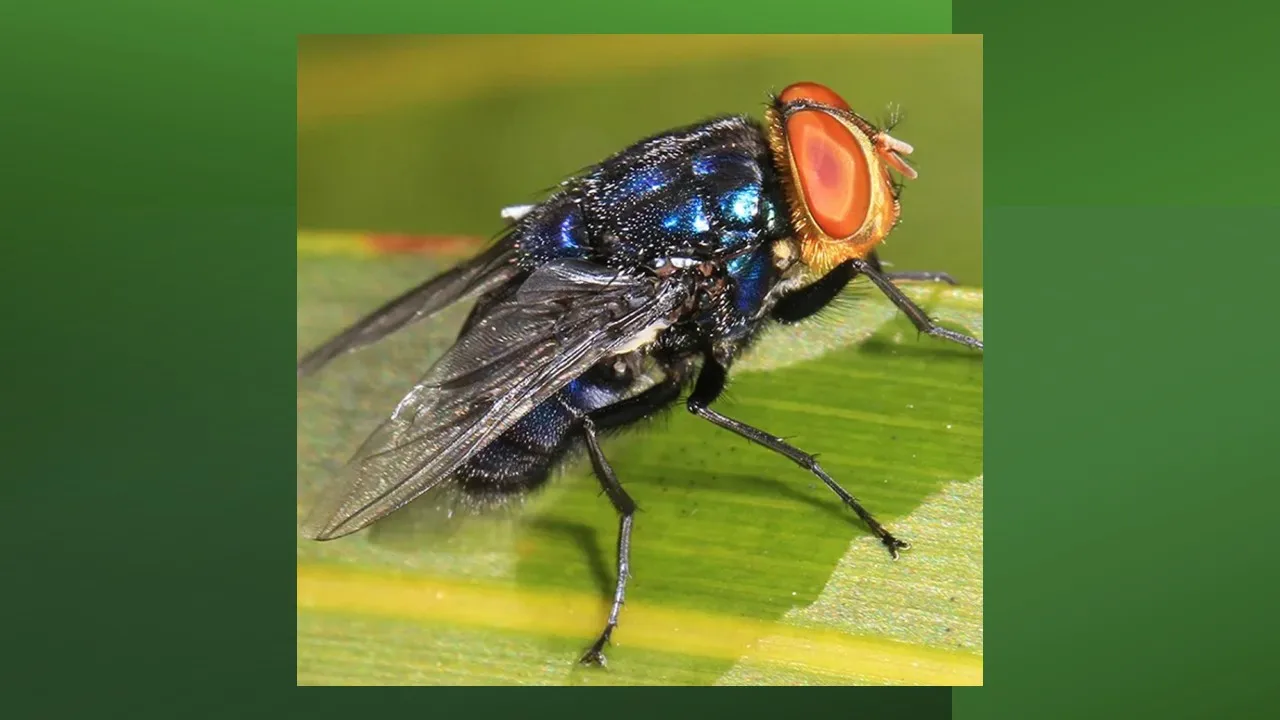
Have you ever wondered if a seemingly healthy dog or cat could develop a serious screwworm infestation? With recent attention focused on the return of this dangerous parasite in parts of North America, many pet owners are asking exactly how pets get screwworms and what they can do to protect their furry companions. At Pet Doctor, your Heath, TX veterinary clinic, understanding emerging health threats is an important part of helping pets stay safe and healthy. Knowing how screwworm infestations begin can help you identify potential risks before they become medical emergencies. The answer often starts with something surprisingly small. A minor cut, a scratch, a hot spot, or another skin injury can create an opportunity for infestation. Understanding how to prevent screwworm infestations in pets, practicing good pet wound care, learning about the flesh-eating screwworm fly, and recognizing potential risks from New World screwworm can help you make informed decisions about your pet's health and well-being. What Is a Screwworm? Before understanding how pets become infected, it helps to understand what a screwworm actually is. The New World screwworm is the larval stage of the parasitic fly Cochliomyia hominivorax. While adult flies resemble many common fly species, their offspring behave very differently from typical maggots. Most fly larvae feed on dead tissue or decaying material. Screwworm larvae feed on living tissue. This unique behavior makes the parasite particularly dangerous to animals. Once larvae hatch and begin feeding, tissue damage can progress quickly without veterinary treatment. Infestations can also spread very quickly, which is another cause for concern. How Pets Get Screwworms The process begins with an adult female screwworm fly searching for a suitable location to lay her eggs. Unlike flies that are attracted to garbage or decaying material, the female screwworm seeks out living animals with wounds or damaged skin. Once she finds an appropriate location, she deposits eggs near the wound. Within a relatively short period, the eggs hatch and the larvae begin feeding on nearby tissue. This feeding causes the wound to enlarge and creates additional tissue damage, allowing the infestation to progress. Understanding this cycle is key to understanding how pets get screwworms and why prevention focuses heavily on wound management. Why Wounds Attract Screwworm Flies The female fly relies on scent and moisture to locate suitable sites for egg laying. Open wounds release odors and fluids that naturally attract the fly. Even relatively minor injuries may be appealing if they provide access to tissue. The fly is not necessarily looking for a severe injury. In some cases, wounds that seem insignificant to pet owners may still create an opportunity for infestation. This is one reason veterinarians emphasize prompt attention to all skin injuries, regardless of size. Common Wounds That Can Increase Risk Many different types of wounds can potentially attract screwworm flies. Cuts and Scrapes Dogs and cats frequently experience minor cuts during everyday activities. Running through brush, climbing fences, rough play, and outdoor adventures can all lead to small injuries. These wounds often heal uneventfully, but they should still be monitored carefully. Surgical Incisions Surgical sites require special attention. Spay and neuter procedures, lump removals, orthopedic surgeries, and other procedures create healing incisions that should be inspected regularly during recovery. Following all post-operative instructions helps reduce complications and supports proper healing. Bite Wounds Animal bites frequently create punctures and tissue damage that may not be fully visible on the surface. Because bite wounds often contain bacteria and may close prematurely, veterinary evaluation is often recommended. These injuries can create environments that attract flies if not properly managed. Hot Spots Hot spots are areas of inflamed, irritated skin that may develop when pets scratch, lick, or chew excessively. These moist lesions can worsen quickly and may attract flies if left untreated. Prompt veterinary care can help address both the hot spot and the underlying cause. Can Skin Conditions Increase Screwworm Risk? Yes. Skin conditions are among the most overlooked risk factors associated with screwworm infestations. Pets experiencing chronic skin irritation may create wounds through scratching, licking, and chewing. Conditions that may contribute include: Environmental allergies Food allergies Ear infections Flea allergy dermatitis Skin infections Chronic itching disorders The more damage occurring at the skin surface, the greater the potential opportunity for flies to lay eggs. This is why managing skin conditions is an important part of preventing screwworm infestations in pets. Which Pets Are Most Likely to Be Exposed? Not every pet faces the same level of risk. Lifestyle and environment play important roles in determining opportunities for exposure. Outdoor Dogs Dogs that spend significant time outdoors naturally encounter more environmental hazards. Working dogs, hunting dogs, ranch dogs, and highly active pets may experience increased exposure to both injuries and flies. Outdoor activities remain beneficial for many dogs, but regular inspections become especially important. Outdoor Cats Cats that roam outdoors may encounter thorny vegetation, fences, wildlife, and other potential sources of injury. Because cats are skilled at hiding discomfort, wounds sometimes go unnoticed until they become more advanced. Regular hands-on examinations can help identify concerns early. Pets Living Near Livestock While companion animals can develop screwworm infestations, livestock populations often receive significant attention during outbreaks. Pets living on farms, ranches, or rural properties may have greater opportunities for exposure simply because of their environment. This does not mean urban pets are immune, but environmental factors can influence risk. Can Indoor Pets Get Screwworms? Many owners assume indoor pets are completely protected. Indoor living generally reduces exposure, but it does not eliminate every possible risk. Pets that undergo surgery, develop skin conditions, or occasionally spend time outdoors may still experience situations that create opportunities for infestation. A healing surgical incision on an indoor pet still deserves close monitoring. Good pet wound care remains important regardless of where your pet spends most of its time, regardless of whether any infestations are happening. Why Early Wound Care Is So Important The simplest way to reduce risk is to address wounds promptly. A clean, healing wound is far less attractive than one that is inflamed, infected, or neglected. Inspect Injuries Daily If your pet has a wound, make it a habit to check it regularly. Look for: Swelling Redness Drainage Odor Increased irritation Changes in appearance often provide valuable clues about how healing is progressing. Follow Veterinary Instructions Whenever a veterinarian provides wound care recommendations, consistency matters. Following those instructions helps support healing while reducing the risk of complications. This becomes especially important after surgical procedures. Understanding New World Screwworm Risks The recent attention to screwworms has understandably caused concern among pet owners. Fortunately, awareness is one of the most effective tools available. Understanding New World screwworm risks does not mean becoming fearful of every scratch or scrape. Instead, it means recognizing situations that deserve closer attention. Knowledge allows you to act quickly if concerns arise. Prompt action often makes a significant difference in outcomes. What Happens If a Fly Lays Eggs? Once eggs hatch, larvae begin feeding on surrounding tissue. Unlike common maggots that consume dead tissue, screwworm larvae continue feeding on healthy flesh. As the infestation progresses, you may notice: Enlarging wounds Excessive licking Foul odor Swelling Pain Visible larvae These symptoms require immediate veterinary attention. Because tissue damage can progress rapidly, delaying treatment is never advisable. How Veterinarians Help Protect Pets Veterinarians play a critical role in both prevention and treatment. Regular wellness exams allow veterinarians to identify skin issues, discuss parasite risks, and address wounds before complications develop. Veterinary teams can also guide regarding: Wound management Post-surgical care Skin health Parasite prevention Environmental risk reduction A proactive approach is often the most effective strategy. Practical Ways to Reduce Risk Protecting your furry friend starts with everyday habits. Regular grooming and routine physical checks make it easier to spot problems early. Pay special attention to: Skin folds Ears Paws Belly Surgical sites Areas beneath thick fur The earlier you identify a wound, the sooner appropriate care can begin. These simple habits support both comfort and overall health. Agrilife Today is also hosting some public awareness events about the screwworm. The AAHA also has some educational articles about how the screwworm endangers pets. FAQ How do pets get screwworms? Pets get screwworms when female screwworm flies lay eggs in wounds, damaged skin, or other vulnerable areas. After hatching, the larvae begin feeding on living tissue. What types of wounds attract screwworm flies? Cuts, scrapes, bite wounds, surgical incisions, hot spots, skin infections, and other damaged skin areas may attract screwworm flies. The flies can also infest mucous membranes, such as the eyes and nose. Are indoor pets at risk for screwworm infestations? Indoor pets generally face lower risks, but wounds, surgical sites, and skin conditions can still create opportunities for infestation if exposure occurs. How does pet wound care help prevent screwworm infestations? Proper pet wound care promotes healing, reduces inflammation, and helps limit conditions that may attract flies. What are common New World screwworm risks for pets? Common New World screwworm risks include untreated wounds, chronic skin irritation, outdoor exposure, surgical recovery, and delayed treatment of skin problems. Schedule an Appointment at Our Heath, TX Veterinary Clinic Understanding how pets get screwworms is one of the best ways to protect your furry friend from this serious parasite. At Pet Doctor, your Heath, TX animal hospital, veterinary teams can help evaluate wounds, discuss preventing screwworm infestations in pets, provide guidance on pet wound care, and address concerns about New World screwworm risks. If you've been searching for a vet near you and have questions about your pet's skin health or a wound that isn't healing properly, schedule an appointment today. This blog is intended for informational purposes only. Always consult your veterinarian for medical advice, diagnosis, and treatment recommendations specific to your pet. Follow your veterinarian's guidance regarding wound care, parasite prevention, and overall health management. To discover more about the care available at our Texas animal hospital, explore our Services page. You'll find information about our wellness care, surgery, and much more.

How Do Pets Get Screwworms? Understanding the Risk Factors Meta

Have you ever wondered if a seemingly healthy dog or cat could develop a serious
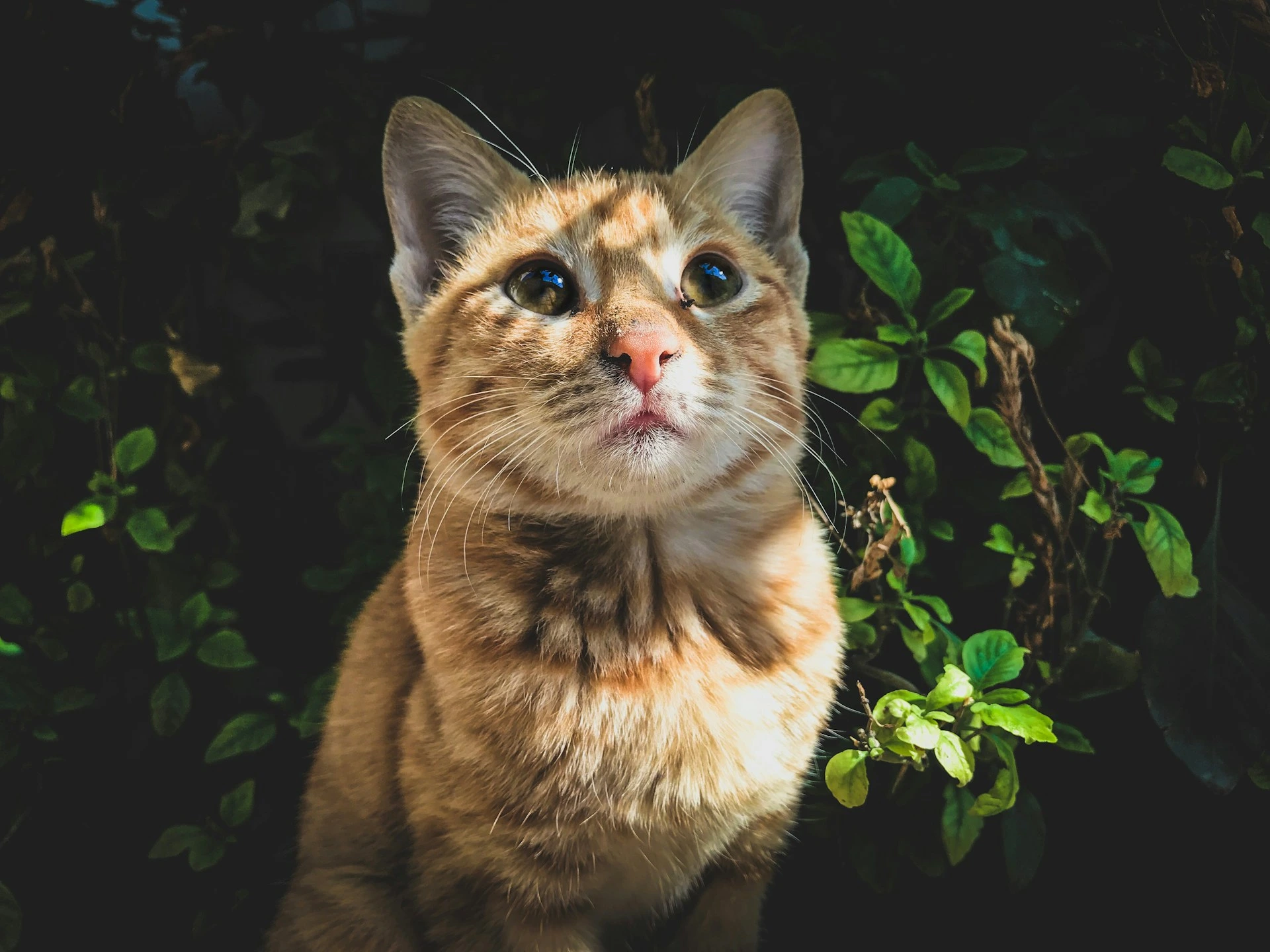
An orange tabby cat looks upward while sitting in front of dark green foliage.

Compassionate Care: Ensuring Quality of Life for Senior Pets

Has your furry pal started slowing down a bit, or is your kitty spending more