!Header Logo

Pet Doctor

!Give us a call button

Make an Appointment
Online Store Pet Portal

!Social Media Icons

!Call Icon

Choosing the Right Nutrition for Your Feline Friend

February 6, 2026

Does your cat watch you hopefully every time you head to the kitchen, waiting for a treat or a fresh bowl of food? At Pet Doctor in Heath, TX, we understand that picking the right food for your pet can be overwhelming with so many choices out there. Our veterinarians are here to help you sort through your options so your cat gets the nutrition they need to stay healthy. Whether you have a playful kitten or a wise senior cat, our team is ready to guide you in making the best choices for their daily meals.

This article is a complete guide to help you understand what makes a healthy meal for your cat. We’ll cover diet tips for different life stages and explain the basics of balanced cat nutrition. Knowing your cat’s unique needs is the first step to preventing health problems and helping them live a long, happy life. By learning about what your cat eats, you can feel confident you’re giving them the best care at home in Heath.

The Foundations of Feline Nutrition

Cats are obligate carnivores, so their bodies are built to get energy mainly from animal proteins. Unlike people or dogs, cats need certain amino acids like taurine, which are only found in animal tissues, to keep their hearts and eyes healthy. When checking food labels, make sure the first ingredients are high-quality meats. Without these important animal proteins, your cat could develop health problems and lose energy.

Water is also an important part of a healthy diet for cats, but it’s easy to forget about. Wild cats get most of their water from their prey, but pet cats often eat dry kibble, which doesn’t have much moisture. To help your cat stay hydrated, try adding wet food to their meals or use a water fountain to encourage them to drink more. Good hydration helps their kidneys and can prevent urinary problems, which are common in cats.

Fat is not a four-letter word when it comes to the health of your feline companion, as it provides a concentrated source of energy and helps with the absorption of certain vitamins. Healthy fats also contribute to the luxurious, shiny coat that makes your feline overlord look so magnificent during their afternoon sunbath. However, balance is key, as too much fat can lead to unwanted weight gain that puts stress on the joints of your four-legged buddy. By choosing a formula that provides a precise ratio of protein to fat, you are supporting the metabolic needs of your kitty without overdoing the calories.

Using a Best Cat Food Guide for Life Stages

As your cat grows, their nutrition needs change, so you’ll need to adjust their food. Kittens grow quickly and need more calories, protein, and minerals like calcium to build strong bones and muscles. The best food for kittens is high in energy to support their active play and fast growth. Don’t switch to adult food too soon—keep feeding kitten food until your cat turns one.

When your cat becomes an adult, their diet should help them stay at a healthy weight and support their immune system. Adult cat food usually includes portion control and good fiber to help your cat feel full without overeating. Indoor cats often need fewer calories than outdoor cats because they are less active. Your vet can help you figure out the right amount of food for your cat based on their activity and body condition.

Senior cats have their own unique set of challenges that can be addressed through specialized feline nutrition strategies. As your feline friend ages, their ability to digest proteins and fats may decrease, and they might benefit from a diet that is more easily digestible and highly palatable. Many senior formulas also include antioxidants and omega-3 fatty acids to support brain health and joint mobility for your aging feline companion. Keeping your senior kitty at a healthy weight is one of the most important things you can do to ensure their golden years are comfortable and full of purrs.

Achieving Balanced Nutrition for Cats Through Variety

It can be tempting to stick with one type of food, but giving your cat some variety is good for their health and keeps them interested in meals. Mixing textures like crunchy kibble and soft pâté can help prevent picky eating. This also lets you combine the dental benefits of dry food with the hydration from wet food. If you try new foods, introduce them slowly to avoid upsetting your cat’s stomach.

Checking the ingredient list is important for every pet owner. Look for specific meats like chicken, turkey, or salmon instead of vague terms like animal by-products or meat meal. Good cat food avoids fillers like corn, wheat, or soy, since these don’t offer much nutrition for cats. Choosing foods with whole ingredients helps make sure your cat gets the nutrients they need to stay healthy and active.

Treats can be a wonderful way to bond with your feline friend, but they should only make up a small portion of their total daily caloric intake. It is easy to accidentally overfeed your feline pal with too many goodies, which can quickly lead to weight issues that are difficult to reverse. When choosing treats, look for options that align with your cat’s diet recommendations and avoid those with high amounts of artificial colors or sugars. A small piece of cooked chicken or a specialized dental treat can be a great way to reward your feline companion without compromising their overall health.

Common Feline Nutrition Myths and Facts

One common myth is that cats should drink milk as a regular part of their diet, but the reality is that many adult cats are actually lactose intolerant. Giving your feline friend a bowl of milk can lead to digestive upset, including gas and diarrhea, which is certainly not part of a plan for balanced nutrition for cats. While they might enjoy the taste, it is much safer to stick to fresh, clean water to keep your feline pal hydrated and happy. If you want to give your kitty a special liquid treat, there are specifically formulated cat milks available that have the lactose removed.

Some people think cats can do well on a vegetarian or vegan diet, but this isn’t true. Cats are obligate carnivores and need nutrients like arachidonic acid and taurine, which aren’t found in plants. Feeding a cat a meat-free diet can cause serious health problems, including heart failure and blindness. It’s important to feed your cat according to their natural needs.

Some people believe that feeding a raw diet is the only way to achieve truly natural nutrition for their four-legged friend. While raw feeding is a popular topic in many best cat food guide discussions, it comes with significant risks of bacterial contamination, such as Salmonella or E. coli. These pathogens can pose a threat not only to your feline companion but also to the human members of your household. If you are interested in a more natural approach, our veterinarians can help you find high-quality, commercially prepared cooked diets that offer the same benefits without the safety risks.

Purina has a post on kitten nutrition, which you can find here. The Animal Humane Society also has some great information about feeding Fido and Fluffy here.

Frequently Asked Questions About Cat Food

How many times a day should I feed my feline friend?

Most adult cats do well with two measured meals a day, but some owners like to give smaller, more frequent meals to match natural hunting habits. Feeding on a schedule helps you track how much your cat eats and notice any changes in their appetite. Scheduled meals also stop other pets from eating your cat’s food.

Is grain-free food always better for feline nutrition?

Grain-free is not necessarily synonymous with high-quality, and many cats can digest certain grains perfectly well without any issues. The most important factor in feline nutrition is the quality and quantity of the animal protein source rather than the presence or absence of grains. If your feline companion has a confirmed grain allergy, then a grain-free diet is necessary, but for most cats, a balanced diet with or without grains is acceptable.

Why is my feline pal suddenly refusing to eat their favorite food?

Cats are often picky eaters, but if your cat suddenly stops eating, it could mean there’s a health problem like dental pain or stomach trouble. If your cat skips more than two meals, contact our animal hospital for a checkup. Sometimes, warming up wet food can make it more appealing to a picky cat.

Can I give my cat human food as a treat?

Some human foods, like plain cooked chicken or fish, are safe for cats in small amounts, but many foods are toxic. Keep onions, garlic, grapes, and chocolate away from your cat, as they can make them very sick. Avocado is also unsafe, as are raw dough and yeast. It’s usually best to give treats made just for cats to avoid any risks. Make sure not to give your pet fat, skin, or bones.

Visit Our Heath Veterinary Clinic for Expert Advice

Giving your cat the right food is one of the best ways to keep them healthy and happy. If you have questions about your cat’s diet, contact our Heath veterinary clinic for advice. Our team cares about feline health and can help you create a nutrition plan that fits your cat’s needs. Whether you want a simple guide or detailed recommendations, we’re here to help.

Are you looking for a great veterinary clinic in Heath? You can try looking for a vet near me, or just call us to speak with one of our friendly team members. We invite you to schedule an appointment at Pet Doctor to discuss your cat’s health and dietary needs in person. Our veterinarians are committed to providing the highest level of care for every feline companion that walks through our doors. We look forward to seeing you and your feline pal at our clinic very soon.

This blog post is intended for informational purposes only and should not be used as a replacement for professional medical advice. Always consult with your veterinarian for the right medical advice, diagnosis, or treatment plan for your feline friend and follow their specific dietary advice.

You can find out more about our Heath, TX pet clinic at our Services page here.  Or, go here to learn about our pet nutrition and weight loss options..
!Single Blog Social Sharing Icons

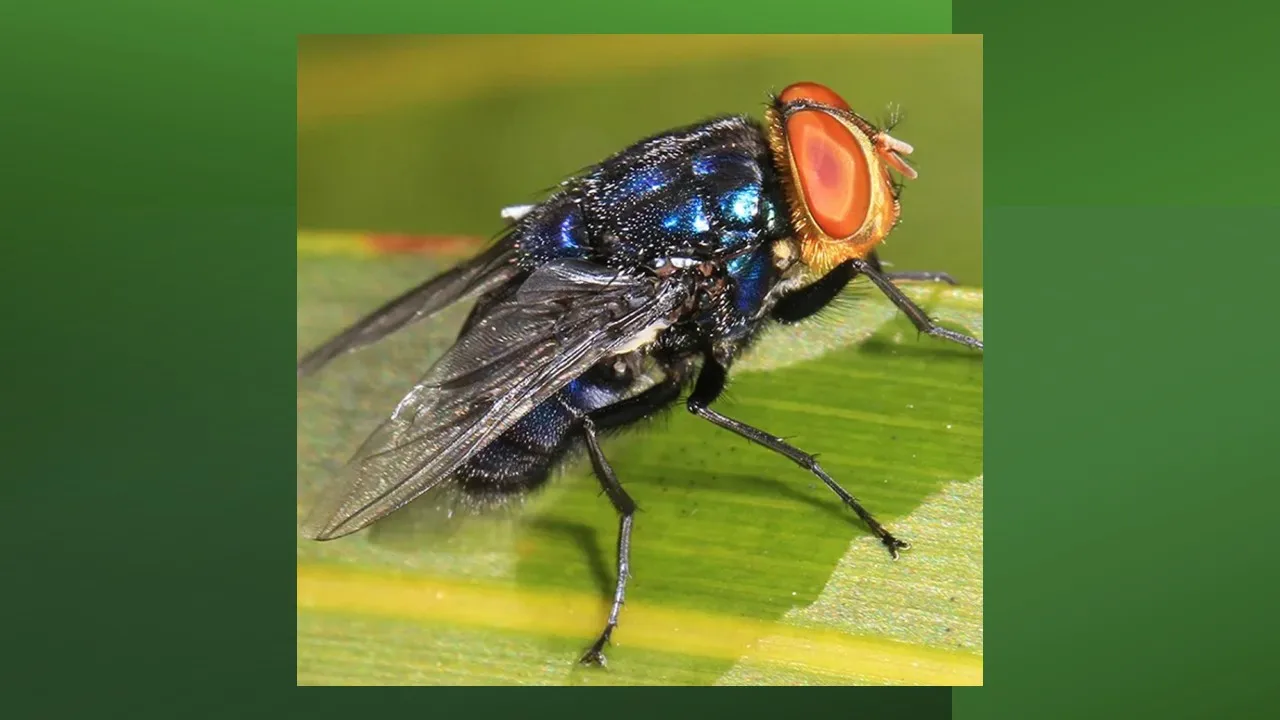
Have you ever wondered if a seemingly healthy dog or cat could develop a serious screwworm infestation? With recent attention focused on the return of this dangerous parasite in parts of North America, many pet owners are asking exactly how pets get screwworms and what they can do to protect their furry companions. At Pet Doctor, your Heath, TX veterinary clinic, understanding emerging health threats is an important part of helping pets stay safe and healthy. Knowing how screwworm infestations begin can help you identify potential risks before they become medical emergencies. The answer often starts with something surprisingly small. A minor cut, a scratch, a hot spot, or another skin injury can create an opportunity for infestation. Understanding how to prevent screwworm infestations in pets, practicing good pet wound care, learning about the flesh-eating screwworm fly, and recognizing potential risks from New World screwworm can help you make informed decisions about your pet's health and well-being. What Is a Screwworm? Before understanding how pets become infected, it helps to understand what a screwworm actually is. The New World screwworm is the larval stage of the parasitic fly Cochliomyia hominivorax. While adult flies resemble many common fly species, their offspring behave very differently from typical maggots. Most fly larvae feed on dead tissue or decaying material. Screwworm larvae feed on living tissue. This unique behavior makes the parasite particularly dangerous to animals. Once larvae hatch and begin feeding, tissue damage can progress quickly without veterinary treatment. Infestations can also spread very quickly, which is another cause for concern. How Pets Get Screwworms The process begins with an adult female screwworm fly searching for a suitable location to lay her eggs. Unlike flies that are attracted to garbage or decaying material, the female screwworm seeks out living animals with wounds or damaged skin. Once she finds an appropriate location, she deposits eggs near the wound. Within a relatively short period, the eggs hatch and the larvae begin feeding on nearby tissue. This feeding causes the wound to enlarge and creates additional tissue damage, allowing the infestation to progress. Understanding this cycle is key to understanding how pets get screwworms and why prevention focuses heavily on wound management. Why Wounds Attract Screwworm Flies The female fly relies on scent and moisture to locate suitable sites for egg laying. Open wounds release odors and fluids that naturally attract the fly. Even relatively minor injuries may be appealing if they provide access to tissue. The fly is not necessarily looking for a severe injury. In some cases, wounds that seem insignificant to pet owners may still create an opportunity for infestation. This is one reason veterinarians emphasize prompt attention to all skin injuries, regardless of size. Common Wounds That Can Increase Risk Many different types of wounds can potentially attract screwworm flies. Cuts and Scrapes Dogs and cats frequently experience minor cuts during everyday activities. Running through brush, climbing fences, rough play, and outdoor adventures can all lead to small injuries. These wounds often heal uneventfully, but they should still be monitored carefully. Surgical Incisions Surgical sites require special attention. Spay and neuter procedures, lump removals, orthopedic surgeries, and other procedures create healing incisions that should be inspected regularly during recovery. Following all post-operative instructions helps reduce complications and supports proper healing. Bite Wounds Animal bites frequently create punctures and tissue damage that may not be fully visible on the surface. Because bite wounds often contain bacteria and may close prematurely, veterinary evaluation is often recommended. These injuries can create environments that attract flies if not properly managed. Hot Spots Hot spots are areas of inflamed, irritated skin that may develop when pets scratch, lick, or chew excessively. These moist lesions can worsen quickly and may attract flies if left untreated. Prompt veterinary care can help address both the hot spot and the underlying cause. Can Skin Conditions Increase Screwworm Risk? Yes. Skin conditions are among the most overlooked risk factors associated with screwworm infestations. Pets experiencing chronic skin irritation may create wounds through scratching, licking, and chewing. Conditions that may contribute include: Environmental allergies Food allergies Ear infections Flea allergy dermatitis Skin infections Chronic itching disorders The more damage occurring at the skin surface, the greater the potential opportunity for flies to lay eggs. This is why managing skin conditions is an important part of preventing screwworm infestations in pets. Which Pets Are Most Likely to Be Exposed? Not every pet faces the same level of risk. Lifestyle and environment play important roles in determining opportunities for exposure. Outdoor Dogs Dogs that spend significant time outdoors naturally encounter more environmental hazards. Working dogs, hunting dogs, ranch dogs, and highly active pets may experience increased exposure to both injuries and flies. Outdoor activities remain beneficial for many dogs, but regular inspections become especially important. Outdoor Cats Cats that roam outdoors may encounter thorny vegetation, fences, wildlife, and other potential sources of injury. Because cats are skilled at hiding discomfort, wounds sometimes go unnoticed until they become more advanced. Regular hands-on examinations can help identify concerns early. Pets Living Near Livestock While companion animals can develop screwworm infestations, livestock populations often receive significant attention during outbreaks. Pets living on farms, ranches, or rural properties may have greater opportunities for exposure simply because of their environment. This does not mean urban pets are immune, but environmental factors can influence risk. Can Indoor Pets Get Screwworms? Many owners assume indoor pets are completely protected. Indoor living generally reduces exposure, but it does not eliminate every possible risk. Pets that undergo surgery, develop skin conditions, or occasionally spend time outdoors may still experience situations that create opportunities for infestation. A healing surgical incision on an indoor pet still deserves close monitoring. Good pet wound care remains important regardless of where your pet spends most of its time, regardless of whether any infestations are happening. Why Early Wound Care Is So Important The simplest way to reduce risk is to address wounds promptly. A clean, healing wound is far less attractive than one that is inflamed, infected, or neglected. Inspect Injuries Daily If your pet has a wound, make it a habit to check it regularly. Look for: Swelling Redness Drainage Odor Increased irritation Changes in appearance often provide valuable clues about how healing is progressing. Follow Veterinary Instructions Whenever a veterinarian provides wound care recommendations, consistency matters. Following those instructions helps support healing while reducing the risk of complications. This becomes especially important after surgical procedures. Understanding New World Screwworm Risks The recent attention to screwworms has understandably caused concern among pet owners. Fortunately, awareness is one of the most effective tools available. Understanding New World screwworm risks does not mean becoming fearful of every scratch or scrape. Instead, it means recognizing situations that deserve closer attention. Knowledge allows you to act quickly if concerns arise. Prompt action often makes a significant difference in outcomes. What Happens If a Fly Lays Eggs? Once eggs hatch, larvae begin feeding on surrounding tissue. Unlike common maggots that consume dead tissue, screwworm larvae continue feeding on healthy flesh. As the infestation progresses, you may notice: Enlarging wounds Excessive licking Foul odor Swelling Pain Visible larvae These symptoms require immediate veterinary attention. Because tissue damage can progress rapidly, delaying treatment is never advisable. How Veterinarians Help Protect Pets Veterinarians play a critical role in both prevention and treatment. Regular wellness exams allow veterinarians to identify skin issues, discuss parasite risks, and address wounds before complications develop. Veterinary teams can also guide regarding: Wound management Post-surgical care Skin health Parasite prevention Environmental risk reduction A proactive approach is often the most effective strategy. Practical Ways to Reduce Risk Protecting your furry friend starts with everyday habits. Regular grooming and routine physical checks make it easier to spot problems early. Pay special attention to: Skin folds Ears Paws Belly Surgical sites Areas beneath thick fur The earlier you identify a wound, the sooner appropriate care can begin. These simple habits support both comfort and overall health. Agrilife Today is also hosting some public awareness events about the screwworm. The AAHA also has some educational articles about how the screwworm endangers pets. FAQ How do pets get screwworms? Pets get screwworms when female screwworm flies lay eggs in wounds, damaged skin, or other vulnerable areas. After hatching, the larvae begin feeding on living tissue. What types of wounds attract screwworm flies? Cuts, scrapes, bite wounds, surgical incisions, hot spots, skin infections, and other damaged skin areas may attract screwworm flies. The flies can also infest mucous membranes, such as the eyes and nose. Are indoor pets at risk for screwworm infestations? Indoor pets generally face lower risks, but wounds, surgical sites, and skin conditions can still create opportunities for infestation if exposure occurs. How does pet wound care help prevent screwworm infestations? Proper pet wound care promotes healing, reduces inflammation, and helps limit conditions that may attract flies. What are common New World screwworm risks for pets? Common New World screwworm risks include untreated wounds, chronic skin irritation, outdoor exposure, surgical recovery, and delayed treatment of skin problems. Schedule an Appointment at Our Heath, TX Veterinary Clinic Understanding how pets get screwworms is one of the best ways to protect your furry friend from this serious parasite. At Pet Doctor, your Heath, TX animal hospital, veterinary teams can help evaluate wounds, discuss preventing screwworm infestations in pets, provide guidance on pet wound care, and address concerns about New World screwworm risks. If you've been searching for a vet near you and have questions about your pet's skin health or a wound that isn't healing properly, schedule an appointment today. This blog is intended for informational purposes only. Always consult your veterinarian for medical advice, diagnosis, and treatment recommendations specific to your pet. Follow your veterinarian's guidance regarding wound care, parasite prevention, and overall health management. To discover more about the care available at our Texas animal hospital, explore our Services page. You'll find information about our wellness care, surgery, and much more.

How Do Pets Get Screwworms? Understanding the Risk Factors Meta

Have you ever wondered if a seemingly healthy dog or cat could develop a serious
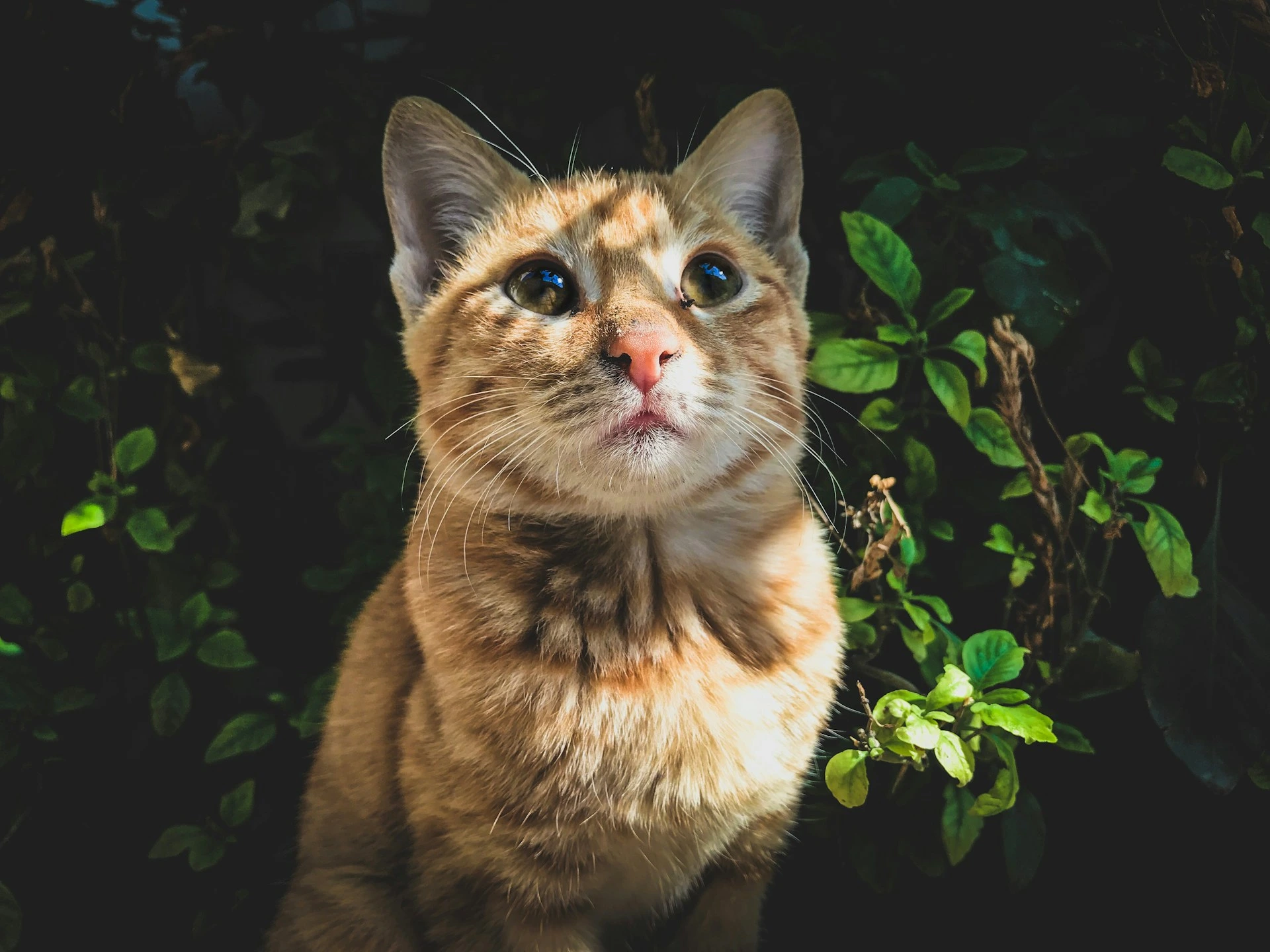
An orange tabby cat looks upward while sitting in front of dark green foliage.

Compassionate Care: Ensuring Quality of Life for Senior Pets

Has your furry pal started slowing down a bit, or is your kitty spending more