


Ever wonder what your furry friend is trying to tell you? While pets can’t use words, they communicate constantly through tail wags, ear twitches, and other signals. Understanding this “silent language” can deepen your bond with your pet and help you respond to their needs. We’re here to help you decode your pet’s body language, so they feel safe, loved, and understood.
In this article, you’ll learn how to recognize key body language signals from dogs and cats—so you can spot when your pet feels happy, stressed, or needs some space. By understanding these cues, you can improve communication with your pet and create a peaceful, happy home. Our team is excited to guide you on this journey to a better understanding of your four-legged family member.
The Art of Understanding Dog Signals
Most people look at a dog’s tail first when figuring out what Fido is feeling. But a wagging tail doesn’t always mean your pup is happy! A loose, wiggly wag usually means a good mood. A high, stiff wag can show your dog is tense or grumpy. The way your dog holds their tail—high, low, or in the middle—reveals a lot. Noticing these details can tell you if your furry friend wants a belly rub or would rather have space.
Fido’s face tells you a lot, too. If your pup yawns or licks their lips when there’s no treat, they might be nervous and trying to calm down. Watch for “whale eye”—when your dog shows the whites of their eyes. This often means your dog is anxious or uncomfortable. Noticing these signs early lets you give your buddy a break before things get stressful.
Here’s a fun one: when your dog does a “play bow” Here’s a fun one: when your dog does a “play bow,” with their front end down and tail up, they’re saying, ‘Let’s play!’ It’s their way of letting you or another dog know that any roughhousing is just for fun. If your dog suddenly stiffens and freezes, it’s a sign to pause and give them some space. Noticing these changes helps keep playtime safe and happy for everyone. Cats can be a little trickier to read than dogs. Your feline overlord has a whole range of meows and sounds, and most of them are just for you! A quick, high-pitched meow is usually a friendly hello, while a long, drawn-out yowl might mean your kitty is upset or lonely. Paying attention to the sound and timing of your cat’s meows can help you figure out whether your cat is saying hi or asking for dinner.
Tail language is often the most reliable way to understand your cat’s mood. A tail held high with a slight curve shows a confident, happy cat ready for affection. A tail that twitches or thumps against the floor means your cat is irritated or overstimulated. By watching tail signals and vocal cues, you can better understand what your cat wants.
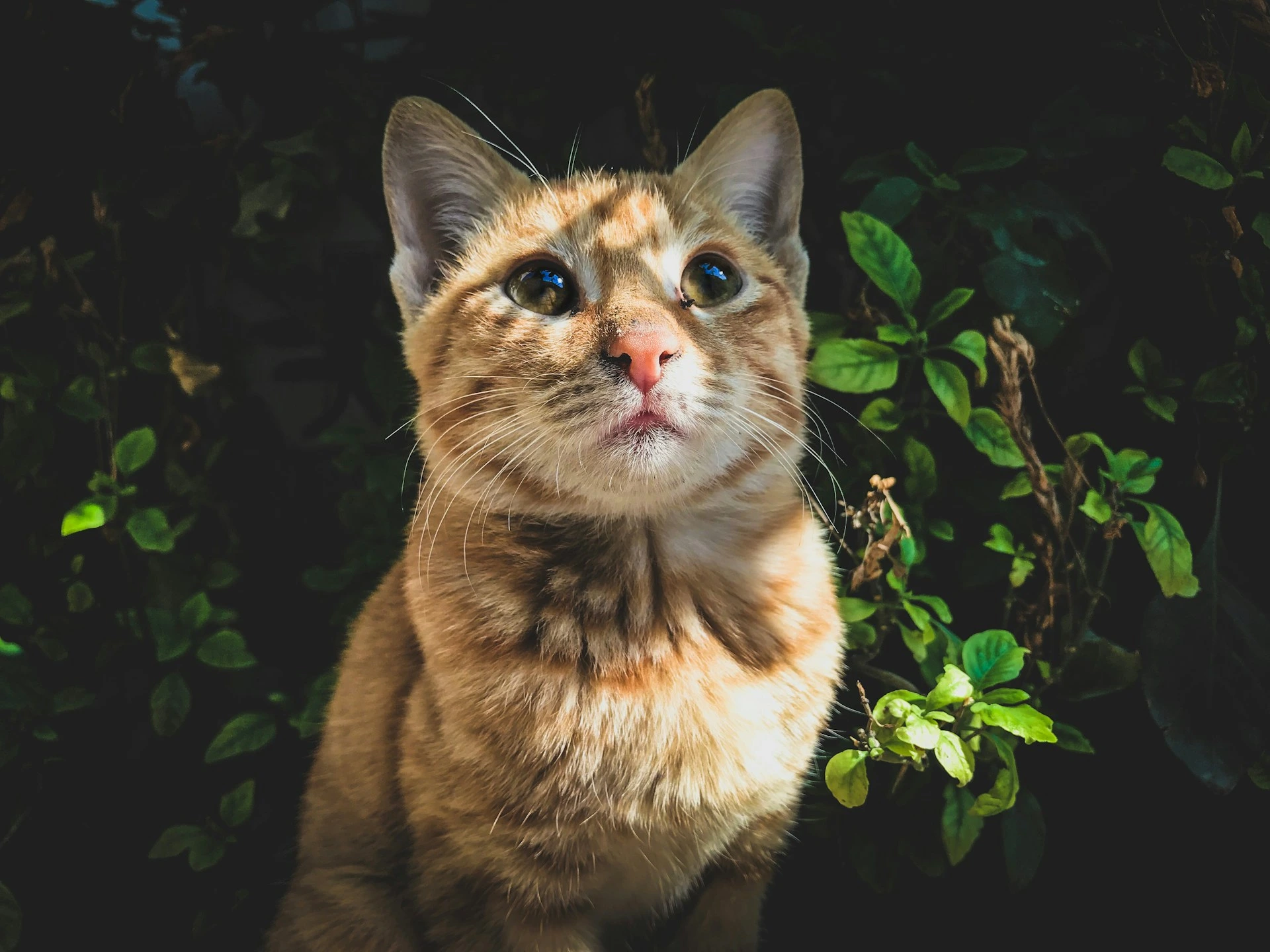
Your cat’s eyes can tell you a lot. A slow blink is a “cat kiss,” meaning they trust you and feel safe. Big, wide pupils in a bright room can mean your cat is scared or very excited. Try giving your cat a slow blink back to show you’re a friend.
Recognizing Stress and Anxiety Signs
Noticing pet stress signs helps prevent behavior problems and supports your pet’s mental health. In dogs, stress often looks like heavy panting, pacing, or a sudden “shake off” after a bath. Your dog might also cower or tuck their tail tightly when overwhelmed. These are ways they tell you things are too much.
Cats can be more subtle about stress. Watch for “airplane ears,” when your cat’s ears go flat to the sides. Over-grooming or hiding more often are also signs of anxiety. If your cat growls or hisses, they want space. Noticing these early helps keep things calm at home.
Pets are pretty good at picking up on our moods. If you’re feeling tense, your furry friend is good at noticing your moods. If you’re feeling tense, your furry friend might get anxious, too. Try using a calm voice and slow movements when your pet is stressed. Keeping things steady helps your buddy feel safe and secure. It is saying, it’s important to look at the whole picture—not just one sign. For example, if your dog’s fur is standing up, they might be upset, or they could just be really excited about a game. And while a purring cat is usually happy, sometimes kitties purr when they’re not feeling well. Paying attention to the situation helps you avoid mix-ups and keeps your furry pal feeling understood.
Every pet is a little different. A dog with floppy ears will show its feelings differently from one with pointy ears, and a tailless cat uses its whiskers and body to communicate. If you’re ever unsure, our Heath vets are happy to help you figure out your pet’s unique way of communicating. The more you watch your dog or cat, the better you’ll get at understanding their special language.
Try to notice what’s normal for your pet, so you can spot when something changes. If your usually chatty cat goes quiet, or your quiet dog starts barking a lot, they’re probably trying to tell you something. Changes like these can indicate that your pet needs extra attention. Key takeaway: Know your pet’s normal, be alert for changes, and don’t hesitate to ask our team for help keeping your buddy at their best.
Click here to read the AKC article about dogs’ body language. PetMD has an article about Fido’s body language here.
Frequently Asked Questions About Body Language
Why does my pup roll on their back if they don’t want a belly rub?
Sometimes dogs roll over for a belly rub, but other times they’re saying, ‘I need a break!’ If your dog rolls over with a tucked tail and looks tense, they probably want some space. Look for a relaxed body before petting. If your dog seems stiff or starts licking their lips, let them relax and come to you when they’re ready.
What does it mean when my feline friend “head butts” my leg?
When your cat head-butts you, that’s called bunting, and it’s a big compliment! Your cat is marking you as part of their family and showing they trust you. It’s their way of saying hello and making the house feel like home. If your cat gives you a head bump, you can feel pretty special in their world.
Why do some dogs wag their tails mostly to one side?
Did you know the direction of your dog’s tail wag can mean different things? If your dog’s tail wags more to the right, he’s probably happy to see you or a friend. A wag to the left can mean your dog is feeling unsure or cautious, maybe around a new dog. It’s just another way our dogs keep us guessing!
Is my feline friend trying to tell me something when they knead my lap?
When your cat kneads your lap or your favorite blanket, that’s called “making biscuits.” Most cats do this when they’re very happy and relaxed, just like when they were kittens. If your cat is purring and has sleepy eyes while kneading, you know they feel safe and loved. It’s one of the sweetest ways your pet says thank you for all the care you give.
Visit Our Heath Veterinarians for Behavioral Support
We enjoy helping you and your furry family members understand each other better. If you’re having trouble figuring out your cat’s meows or want to learn more about your dog’s signals, just give us a call.
Looking for a great vet in Heath? You can search for a vet near you or give us a call to set up a visit. Stop by our clinic anytime! Whether you have a new puppy or an older cat, our team is here to help with care and advice. We look forward to meeting you and your pet soon!
This blog post is provided for informational purposes only and should not be used as a replacement for professional medical or behavioral advice. Always consult with your veterinarian for the right medical advice, diagnosis, or treatment plan for your furry pal and follow their specific professional advice for the best health and behavior outcomes.
You can find out more about our Heath, TX pet clinic at our Services page here. Or, book your pet a grooming appointment here.

!Social Media Icons